
Docsi
Tools & Technologies Used
-
Figma (UI/UX System Design): Designed over 100 unique, complex layouts mapping out the entire patient journey, clinic dashboards, and administrative interfaces from scratch.
-
React (Headless Frontend): Engineered a blazing-fast, highly interactive decoupled frontend website that pulls dynamic data via APIs without relying on legacy server rendering.
-
WordPress (Data & Content Hub): Heavily customized the WP Admin core to act as a secure, headless data repository, seamlessly managing global site content and administrative settings.
-
Custom Backend Application: Built a robust, independent backend infrastructure that works in tandem with WordPress to handle complex clinic logic, invoicing, and user authentication.
-
Mobile App Integration: Developed a dedicated mobile application ecosystem allowing patients and practitioners to access their schedules, plans, and records on the go.
-
RESTful APIs & Data Structuring: Designed a massive, multi-tenant database architecture and API layer capable of routing data securely between hundreds of sub-clinics and thousands of patients.
The Engineering & Architecture Process
The Project Brief & Enterprise Challenge
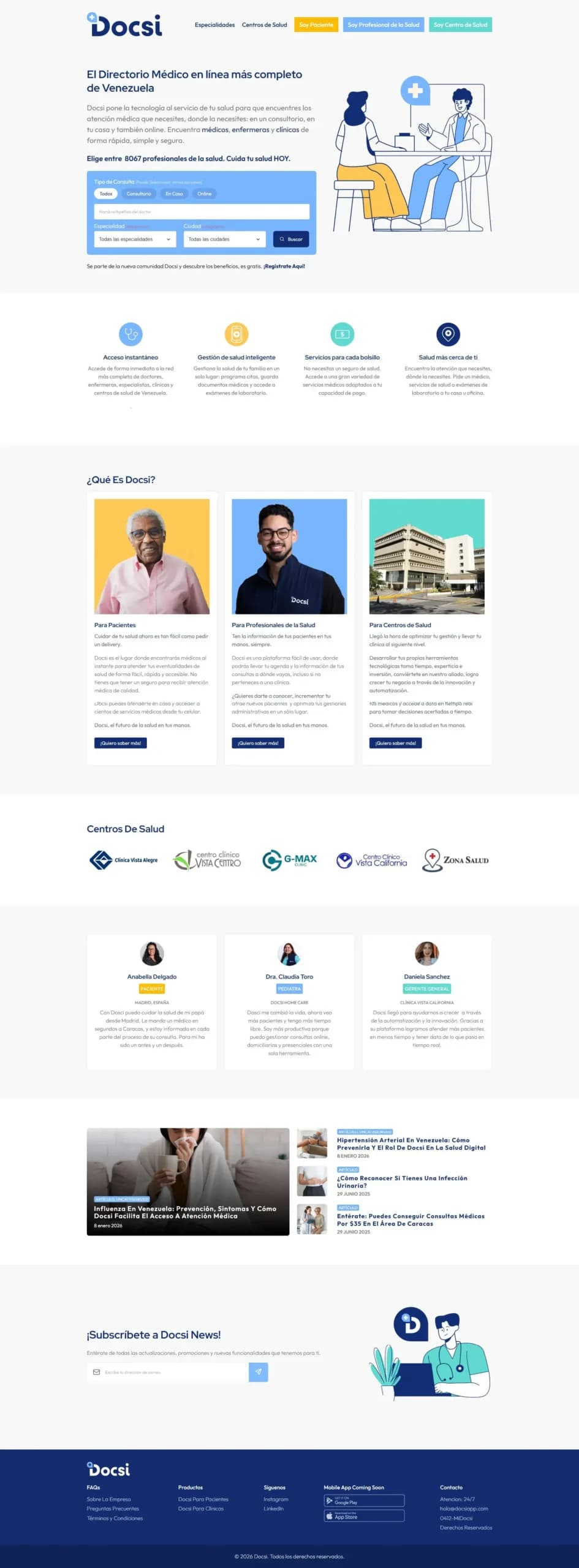
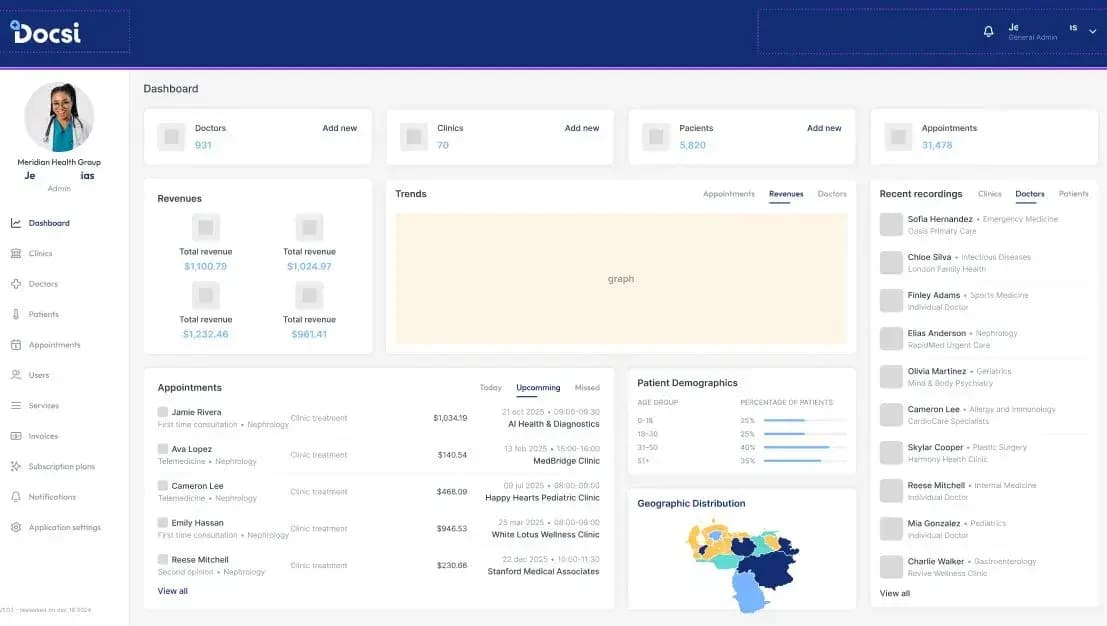
Docsi App is not merely a website; it is a comprehensive, enterprise-level Medical Clinic Management System (SaaS) built entirely from scratch. The client required a platform capable of handling the operational complexities of both independent medical practices and massive, multi-layered healthcare organizations with hundreds of interconnected sub-clinics. The system needed to centralize and automate everything: sensitive patient records, real-time appointment scheduling, complex medical treatment plans, and automated financial invoicing. The engineering challenge was monumental: design the entire platform visually, then build a secure, highly scalable architecture where a custom backend application, a WordPress content hub, a React frontend website, and a mobile app all communicate flawlessly in real-time without data bottlenecks.
System Design: 100+ Custom Interface Layouts
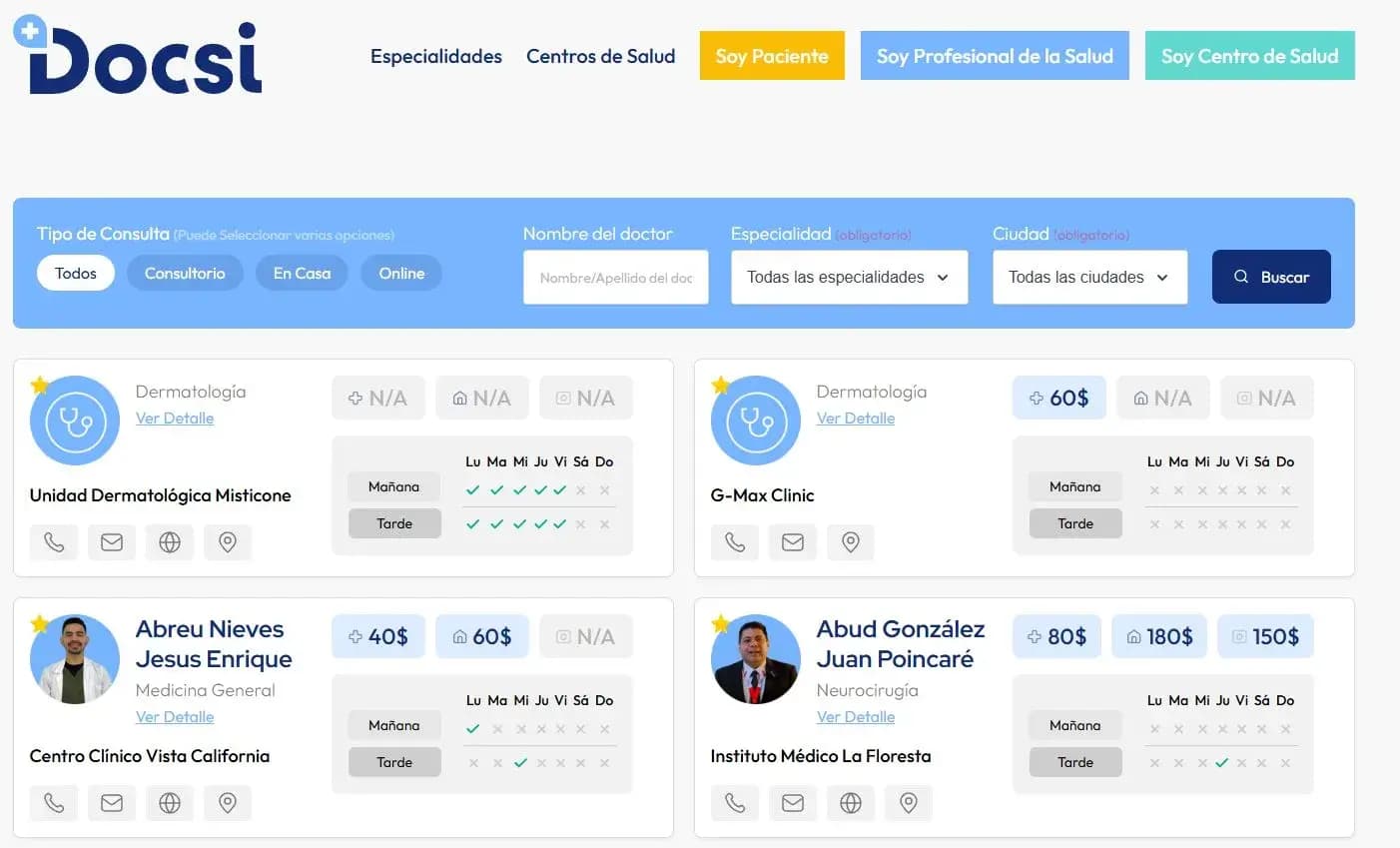
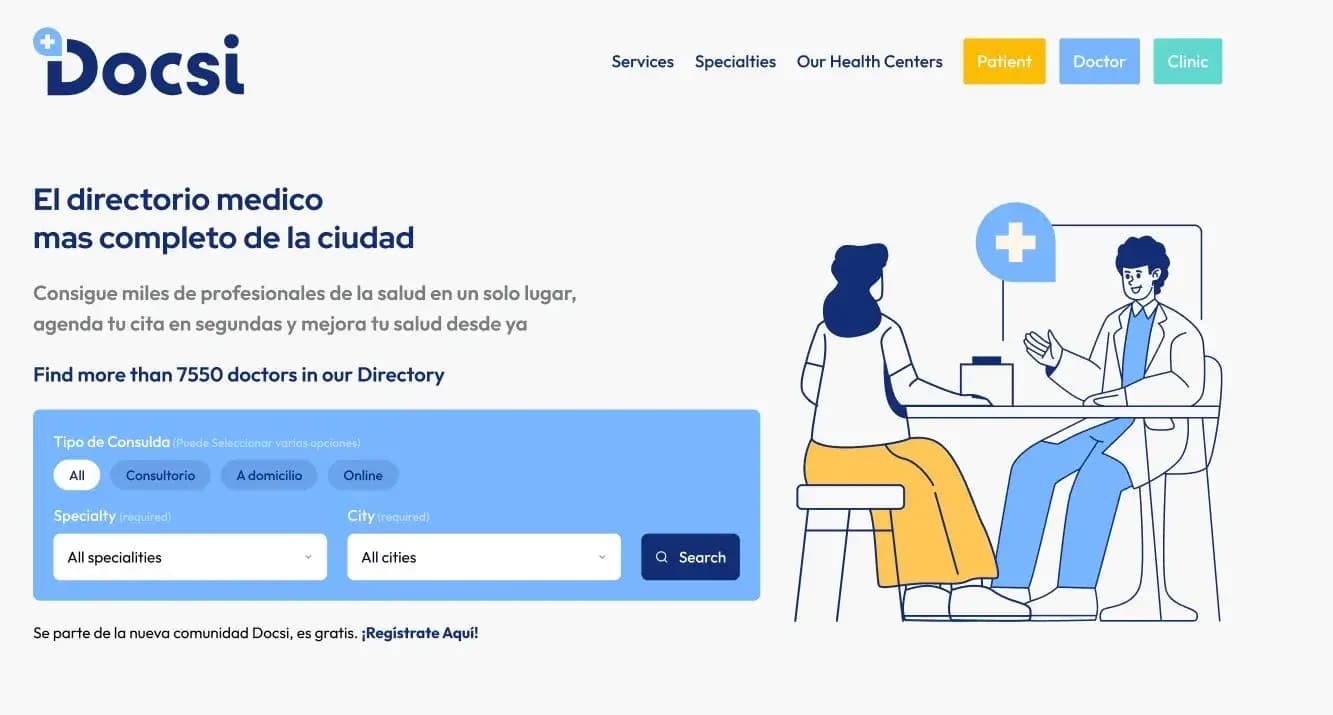
Before a single line of backend logic was written, we undertook a massive UI/UX phase in Figma. Healthcare software is notoriously clunky and visually overwhelming, so our primary goal was to create a frictionless, modern experience. We designed over 100 specific layouts catering to wildly different user roles and permissions. This included streamlined, accessible booking flows for patients, deeply detailed calendar and patient-history dashboards for doctors, and macro-level financial and administrative panels for clinic managers overseeing multiple branches. Every user journey was prototyped and refined to ensure intuitive navigation and strict data clarity across both desktop monitors and mobile devices.
The Hybrid Headless Infrastructure
To support this level of operational complexity without sacrificing performance or security, we engineered a sophisticated hybrid-headless architecture. We utilized WordPress purely as a headless administrative engine to manage high-level marketing content, global data states, and frontend page structures. However, the heavy computational lifting of the clinic operations—patient data processing, algorithmic scheduling, and multi-tenant security—was offloaded to an entirely custom-built backend application. These two systems operate in tandem, bridged together via strict RESTful APIs. These APIs feed secure, structured JSON data directly into a lightning-fast React frontend, ensuring patients and doctors experience instantaneous page loads on the public-facing website and internal portals.
Multi-Layered Clinic Operations & Sub-Clinics
The true architectural triumph of Docsi App lies in its multi-tenant scalability. We developed an advanced relational database schema that allows the platform to function for an independent, single-doctor practice, or scale instantly for a hospital network. The system supports “Multi-Layered Clinics,” meaning a parent organization can oversee hundreds of independent sub-clinics. Each sub-clinic operates autonomously with its own customized practitioner schedules, localized pricing, specific medical plans, and distinct patient rosters, all while feeding macro-analytics upward to the parent clinic’s administrative dashboard without data crossover.
Appointments, Invoicing & Medical Plans
At the core of the application are its operational engines. We built a robust appointment scheduling system that handles real-time calendar syncing, practitioner availability, and automated patient reminders to eliminate no-shows. Integrated directly into this is a comprehensive medical planning module, allowing doctors to construct, track, and modify long-term treatment plans for their patients digitally. To close the operational loop, we engineered a custom invoicing and billing system. As appointments are completed or medical plans are updated, the custom backend automatically generates and routes invoices, managing the complex financial relationships between patients, practitioners, and the parent clinics.
Mobile App Ecosystem & The Final Outcome
To complete the ecosystem, we extended the API architecture to power a native mobile application. This ensures that both doctors and patients have instant, secure access to critical medical plans, upcoming appointments, and billing histories straight from their pockets. The launch of Docsi App resulted in a revolutionary, all-in-one digital healthcare platform. By decoupling the frontend presentation from the intense backend medical logic, we achieved unmatched speed and HIPAA-grade security capability. Clinics migrating to Docsi App are now able to abandon fragmented, legacy medical software, consolidating their entire practice into one elegant, high-performance platform.